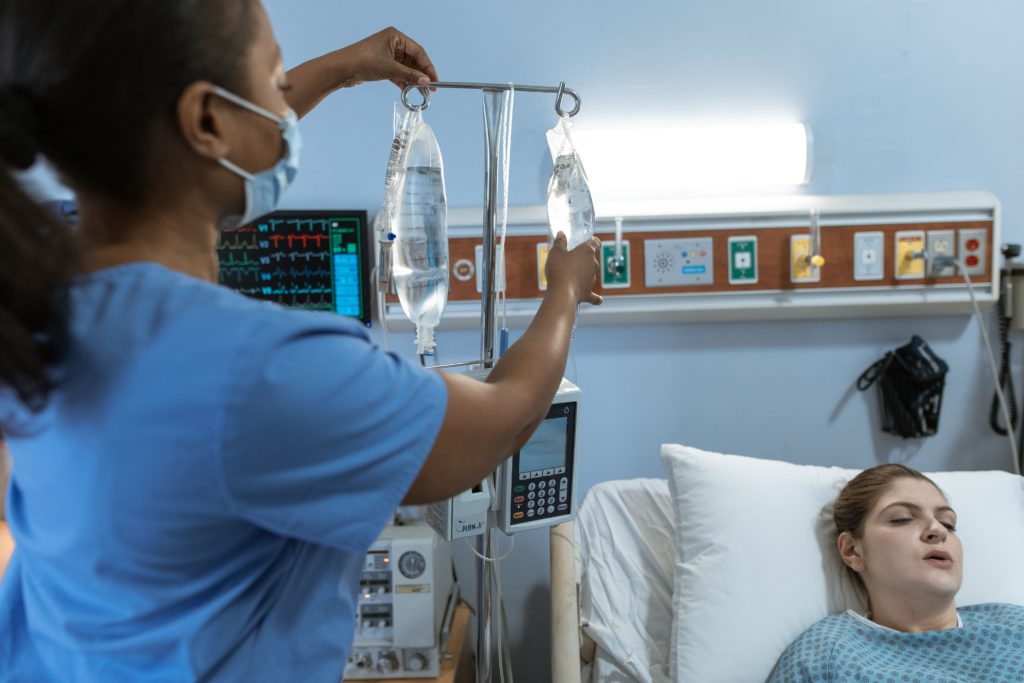
Health insurance can provide access to a wide range of healthcare services, helping individuals manage medical costs and access treatment when needed. Depending on the level of cover selected, policies may include benefits for consultations, hospital admissions, and diagnostic procedures such as medical imaging. These services play an important role in diagnosing and monitoring health conditions, allowing healthcare professionals to make informed treatment decisions.
Many health insurance policies may also assist with the costs associated with an ultrasound scan, depending on the provider, level of cover, and specific circumstances. Ultrasound technology is commonly used to examine organs, soft tissues, blood flow, and pregnancy development. Access to diagnostic services can help support earlier detection and treatment of a range of medical conditions.
Hospital cover is one of the most common components of private health insurance. It may provide benefits for accommodation, theatre fees, and treatment costs associated with eligible hospital admissions. Hospital cover can also offer greater choice regarding where and when certain procedures are performed, depending on policy conditions and healthcare providers.
Specialist consultations are another service that may be supported through health insurance. Patients often require appointments with specialists such as cardiologists, orthopaedic surgeons, dermatologists, or gastroenterologists. Depending on the policy and healthcare system arrangements, health insurance may assist with some of the associated costs.
Surgical procedures are frequently included within hospital-based health insurance policies. Cover may apply to a variety of treatments ranging from minor procedures to more complex operations. Eligibility and coverage levels vary between policies, making it important for individuals to understand inclusions, exclusions, and waiting periods.
Rehabilitation services may also be available under certain health insurance products. These services can support recovery following surgery, illness, or injury and may include physiotherapy, occupational therapy, or specialised rehabilitation programs. Rehabilitation helps patients regain mobility, independence, and overall function.
Mental health support is increasingly recognised as an important component of healthcare. Some health insurance policies provide access to mental health services, including inpatient treatment, counselling support, and psychiatric care. Access to these services can contribute to improved overall wellbeing and long-term health outcomes.
Dental services may be included under extras or ancillary cover. Benefits can apply to routine check-ups, preventive treatments, and certain dental procedures, depending on the policy. Maintaining oral health is often considered an important part of overall healthcare management.
Optical services are another common feature of extras cover. Policies may provide benefits for eye examinations, prescription glasses, contact lenses, and other vision-related services. Regular eye care can assist with early detection of vision issues and support long-term eye health.
Allied health services are frequently included in health insurance packages. These may include physiotherapy, chiropractic care, podiatry, speech pathology, and other healthcare services designed to improve mobility, recovery, and quality of life. Coverage levels vary according to the selected policy.
Preventative healthcare is also becoming a growing focus within the health insurance sector. Some insurers offer health management programs, wellness initiatives, and support services aimed at encouraging healthier lifestyles and reducing long-term health risks.
Overall, health insurance can provide access to a broad range of healthcare services beyond hospital treatment alone. From diagnostic imaging and specialist consultations to rehabilitation, dental care, and allied health support, health insurance can help individuals access services that contribute to maintaining and improving their overall health and wellbeing.